Build an inventory that describes the work
Build a furniture record room by room before deciding what will move. Include tall cabinets, heavy tables, bed frames, and pieces assembled inside the home. Note whether a piece has moved through the current doorway before. A cupboard that arrived in sections may need to leave in sections. Photograph joints, existing damage, and any attached trim. The point is to identify the difficult pieces while there is still time to consider a different route or destination.
Check the history of large pieces with whoever remembers how they entered the home. A table may have arrived before a doorway was altered, or a bed may have been assembled upstairs. Treat those memories as clues to investigate rather than proof that the route will work now. Record detachable parts and keep photographs of the assembled item. The resulting inventory should identify the pieces needing route decisions before the household fills nearby floor space with packed cartons.
Trace the route from room to truck
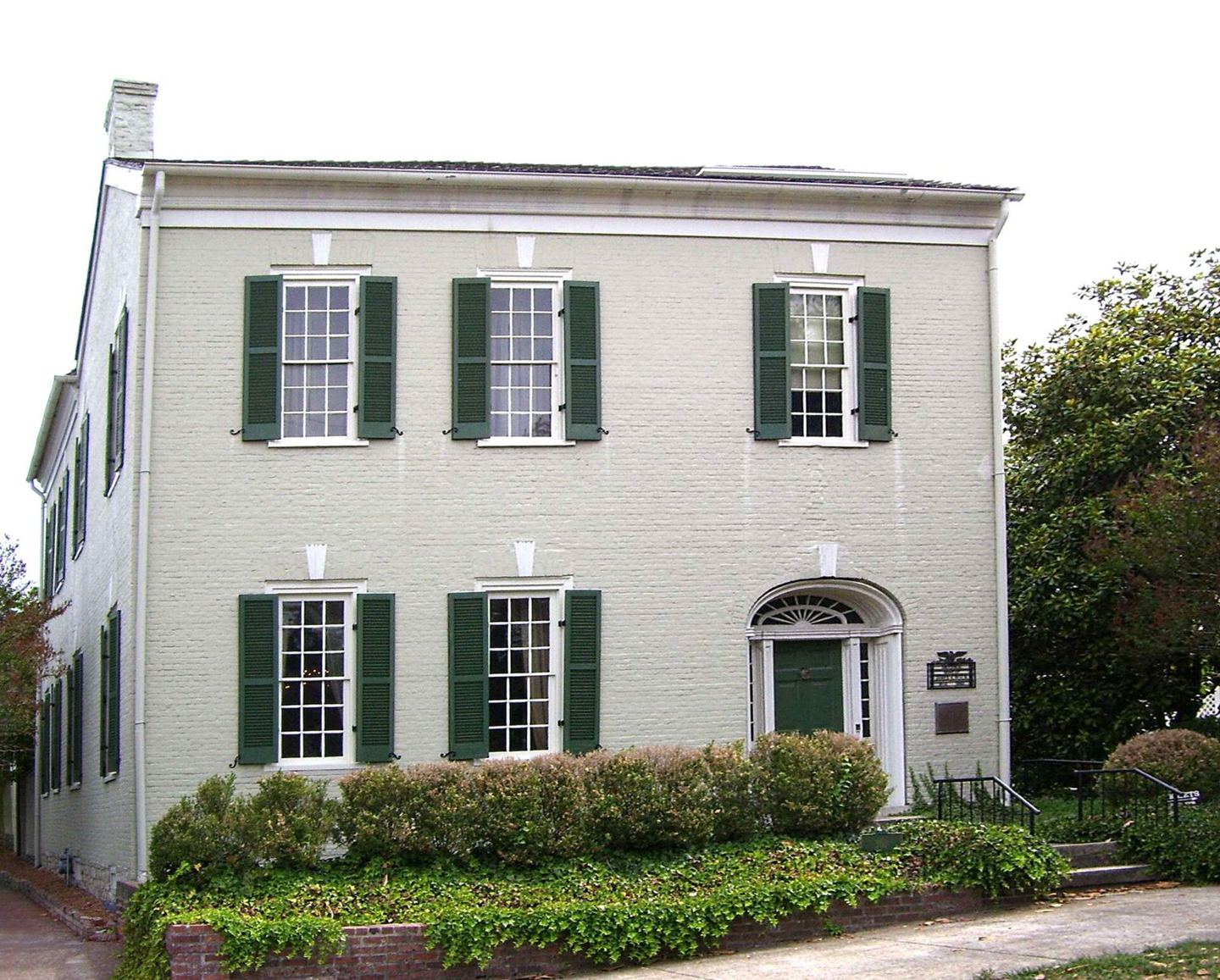
In an older home, a doorway measurement is only the beginning. Check the space available before and after the opening, the height beneath lights, and the turn at the foot of any stairs. Look at porch steps and the distance between railings. Do not remove a handrail, door, or fitting without confirming permission and a safe method. Share a complete sequence of photographs so the carrying route is understandable as a continuous path.
Draw a rough route sketch for the most difficult object, marking each turn rather than only the narrowest opening. Include light fittings, a deep stair overhang, and the room available to change the piece’s orientation. A few labeled photographs can make that sketch understandable to someone who has never visited. If an alternate exit looks promising, check the whole route beyond it. A wider back door offers little advantage if the next turn or outside step creates another unresolved restriction.
Give the calendar some room
Leave time for discoveries before the move date. A large bed may need a missing tool, a cabinet may contain a fixed shelf, or a back entrance may prove less useful than expected. Resolve those issues while the household still has alternatives. Schedule final packing so it does not obstruct the route needed for disassembly. Keep any building access discussion separate from the sale or tenancy timeline so each task has a named owner.
Schedule a preparation session devoted to the building rather than the belongings. Check that the intended route can remain clear, identify removable household clutter, and agree who will obtain any necessary property permission. Keep this session early enough to ask further questions. Do not leave the hardest piece surrounded by cartons until the final morning. An older-house move benefits from discovering limitations while there is still space to inspect the item and discuss a realistic next step.
Pack for the way the home will reopen
Use smaller, well-supported cartons for collections that have accumulated over many years. Books, dishes, and paper records become heavy quickly. Sort fragile objects by the protection they need rather than the shelf where they stood. Label cartons so the recipient knows what can bear weight and what should remain upright. Keep sentimental pieces identified without advertising valuable contents on every exterior label. Save a private list for detailed descriptions.
For long-kept collections, preserve information that will matter during unpacking. A handwritten note identifying a set, a photograph of a shelf arrangement, or a list of components can prevent confusion after the protective wrapping is removed. Keep that information with the private inventory if it contains personal details. Pack delicate pieces according to their needs, not simply by room. A carton of varied ornaments may require more thoughtful separation than a group of similarly shaped everyday objects.
Discuss the details behind the estimate
Tell the person preparing the estimate about the specific building constraints. Explain which pieces are large, where the narrow turns occur, and whether the stopping point is close to the entrance. Include access photographs with the inventory. Ask what disassembly is included and what requires another arrangement. A general description such as a small house may hide more handling work than a larger home with a direct, level route.
Ask the provider to identify any assumptions about the house that remain unverified. An estimate based on photographs may still need clarification about the stair turn or the position where a vehicle can stop. Reply with the missing detail rather than accepting a broad description that does not match the property. If the route requires a separate assessment, settle how that will happen. The household can then compare proposals using an actual description of the access work involved.
Keep the first day separate from the shipment
Keep everyday essentials outside the rooms being cleared. An older house may have limited convenient staging space, so a single clearly marked travel bag can prevent useful items from disappearing among packed belongings. Include the household’s current medicines, basic documents, and supplies for the first night. Keep tools needed for final checks accessible. Avoid treating a kitchen drawer or porch table as a permanent safe place once several people start packing.
Choose an essentials location that will not be cleared accidentally with the rest of the room. A distinctive bag under the responsible person’s control is easier to manage than several useful items left on a windowsill. Include the keys and small tools needed for the final property check. As rooms empty, keep the essentials together instead of transferring them from one temporary surface to another. The last hour in an older home often involves checking many small storage places at once.
Make a specific furniture plan
Decide how to handle pieces that have sentimental value but uncertain fit. Measure the receiving room before agreeing that a large dining table or cabinet must go there. If a piece has a fragile joint, tell the moving contact before it is handled. Do not disguise structural weakness with a quick temporary repair. A condition photograph and an honest description are more useful than discovering the problem when the item is already on the stairs.
For a fragile older piece, photograph the condition from several useful angles and point out any loose part before handling begins. Describe the concern in ordinary terms rather than claiming a repair is stronger than it is. Keep removable shelves and keys identified with the relevant cabinet. Ask how the item will be assessed before agreeing that it belongs in the proposed work. The decision should consider the actual condition, the route, and the receiving space together.
Prepare for changing outdoor conditions
Porches, worn steps, and garden paths need a fresh check before the carrying work begins. Remove loose objects and identify any uneven surface that could affect footing. Keep surface protection secure and visible. If rain is expected, determine where cartons can wait indoors without blocking an exit. Do not leave wooden furniture or paper records beside an open doorway for convenience. Prepare the route around the actual conditions at the house.
Inspect the places where outdoor and indoor routes meet. A porch threshold, step edge, or change from paving to gravel may need more attention than the broad path itself. Remove household objects that conceal those transitions and identify any surface that remains uneven. If protective material is proposed, ensure the route can still be seen clearly. Do not solve a surface concern by placing loose coverings over it without considering whether they create a different hazard for the people carrying belongings.
Close one address before opening the next
Older homes often have storage in several separate places. Check attic access, under-stair cupboards, sheds, and built-in cabinets before the final room photographs. Keep the last inspection systematic: one room, one storage area, one completed note. If something belongs with the property, document that decision separately from your moving inventory. The person receiving the keys should not have to infer whether a remaining object was forgotten or intentionally left.
Use a room-by-room sweep that includes storage above and below eye level. Open the cupboard rather than deciding it is empty from its familiar appearance. Check the top of tall furniture before it leaves and the space beneath it afterward. Record items deliberately staying with the property on a separate handover list. The final inspection should confirm completed choices, not leave the recipient of the keys to decide whether an object was forgotten or intentionally included.
Direct the arrival without blocking the work
At the receiving address, place large older furniture first so its footprint can be assessed before cartons fill the room. Leave room to open cabinet doors and use nearby passageways. If the intended position does not work, make the adjustment before surrounding it with smaller objects. Use a simple floor plan with measurements rather than relying entirely on how the room looked during a brief viewing.
Plan where the largest older pieces will stand before smaller cartons arrive around them. Allow for the space needed to open a cabinet, pull out a chair, or walk past the end of a bed. If a piece is intended for a different use, such as a dining cabinet becoming storage in another room, check that use against the actual dimensions. A familiar possession may fit physically while making the new room less practical unless its placement is considered carefully.
Unpack in a useful order
Unpack older collections in stages. Start with the pieces needed for daily use and inspect fragile items as they come out of their wrapping. Keep related parts together until assembly is complete. Do not rush to recreate every display before the furniture arrangement is settled. A collection that occupied one large cabinet may need a different storage plan at the destination. Leave adequate clear space to make that decision safely.
Unwrap delicate collections on a stable, clear surface with enough room to keep related components together. Check each group before discarding its packaging or labels. Avoid opening several fragile groups simultaneously simply to make the cartons disappear. When the new display space differs from the old one, set aside items awaiting a decision in a controlled place. This protects the collection’s organization while the household works out how much can be displayed comfortably in the new home.
Turn the plan into a clear conversation
For a useful discussion with your chosen moving provider, focus on the route and the difficult pieces. Provide the inventory, room photographs, doorway measurements, and a clear note about unresolved furniture decisions. Ask what further information is needed before the proposed scope can be confirmed. The goal is a shared description of this particular Columbia house, including its constraints, rather than a broad assumption based only on the number of bedrooms.
Prepare a short list of difficult pieces and route questions alongside the complete inventory. Give each question a photograph or measurement that explains it. Ask the provider what further information is required and which preparation tasks belong to the household. Keep the final scope with the same property notes. That record is more useful than a general assurance that older homes are familiar, because it describes the particular furniture, turns, steps, and unresolved details at this address.
If the household is comparing destinations or coordinating another Tennessee address, use the Spring Hill moving guide and Franklin moving guide to review a different planning scenario. The Shelbyville moving guide and Nashville moving guide provide additional checklists for the other side of an in-state move. Compare the actual properties and inventory rather than assuming that advice for one home describes every address. Keep the plan for each location in the same planning file so the household can trace decisions across the complete journey.